Nanjixiong introduction
A steak with attractive marbling sizzles in the pan and reveals a pink interior when cut, yet no cow was involved in making it.
On October 10, 2026, Nanjixiong learned that claims about US supermarkets selling 3D printed meat had sparked debate on overseas social media. Some users predicted that future meat would all be printed; others worried that unmarked packaging might hide its origin. Reviewing sources showed a more complex picture: an important move for printing into food production, combined with confusion amplified by social media.
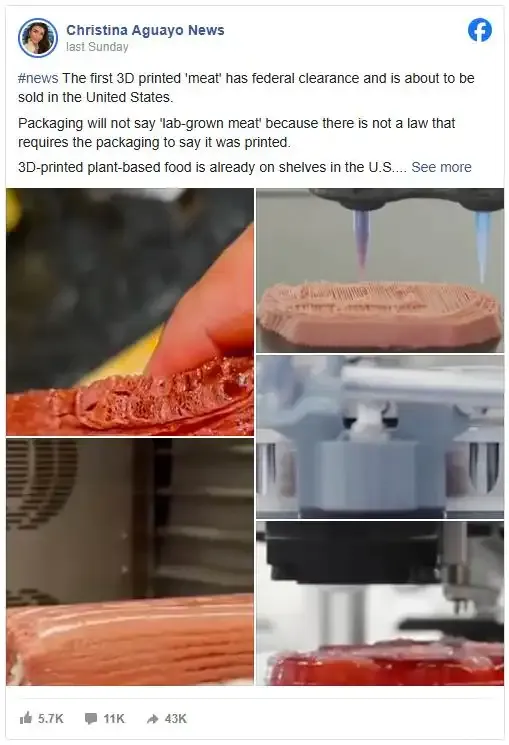
Social media reacts to printed meat in supermarkets
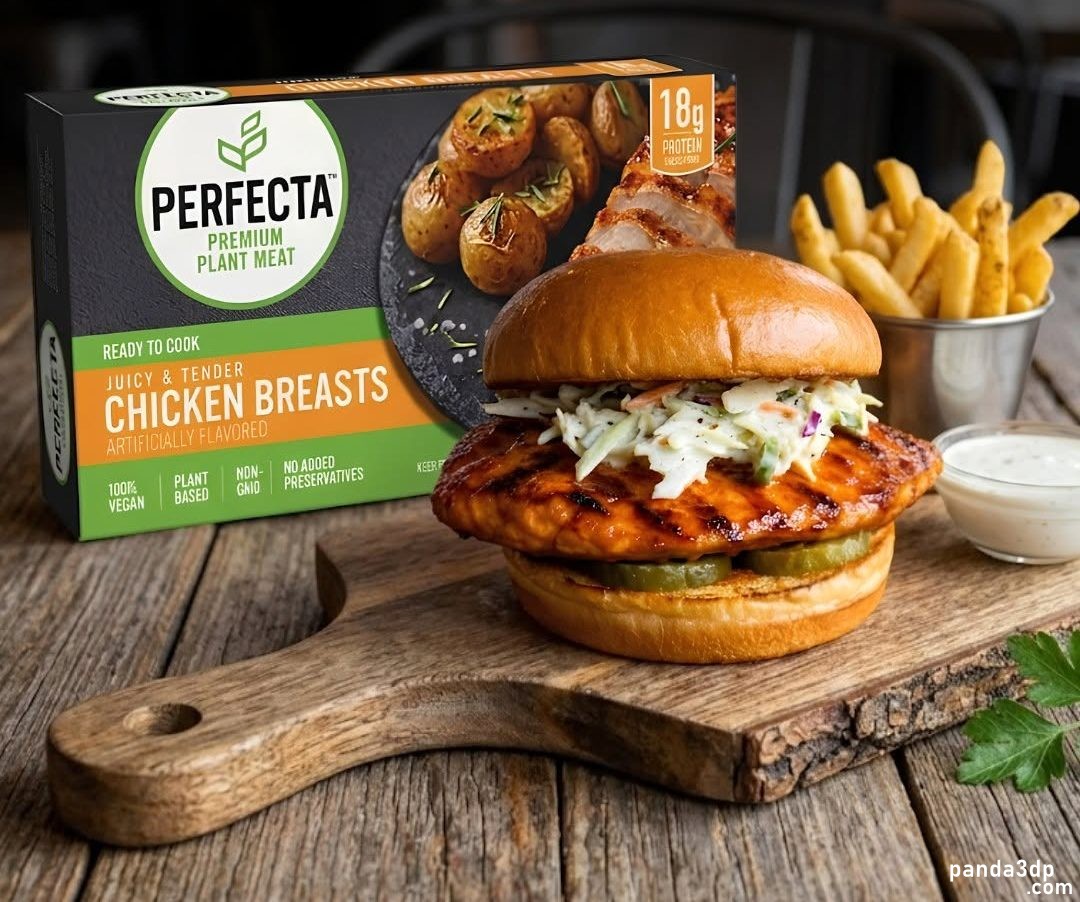
The discussion began with an October 6 Foodbeast report about printed meat heading to US supermarkets. It said Israeli food technology company Steakholder Foods planned to introduce its Perfecta plant-based range in the northeastern United States before year-end.
Social posts claimed the first US printed meat had received federal approval and would soon be sold. Some added that US law did not require labeling of the printing process, suggesting packaging would not identify it as laboratory-grown meat.
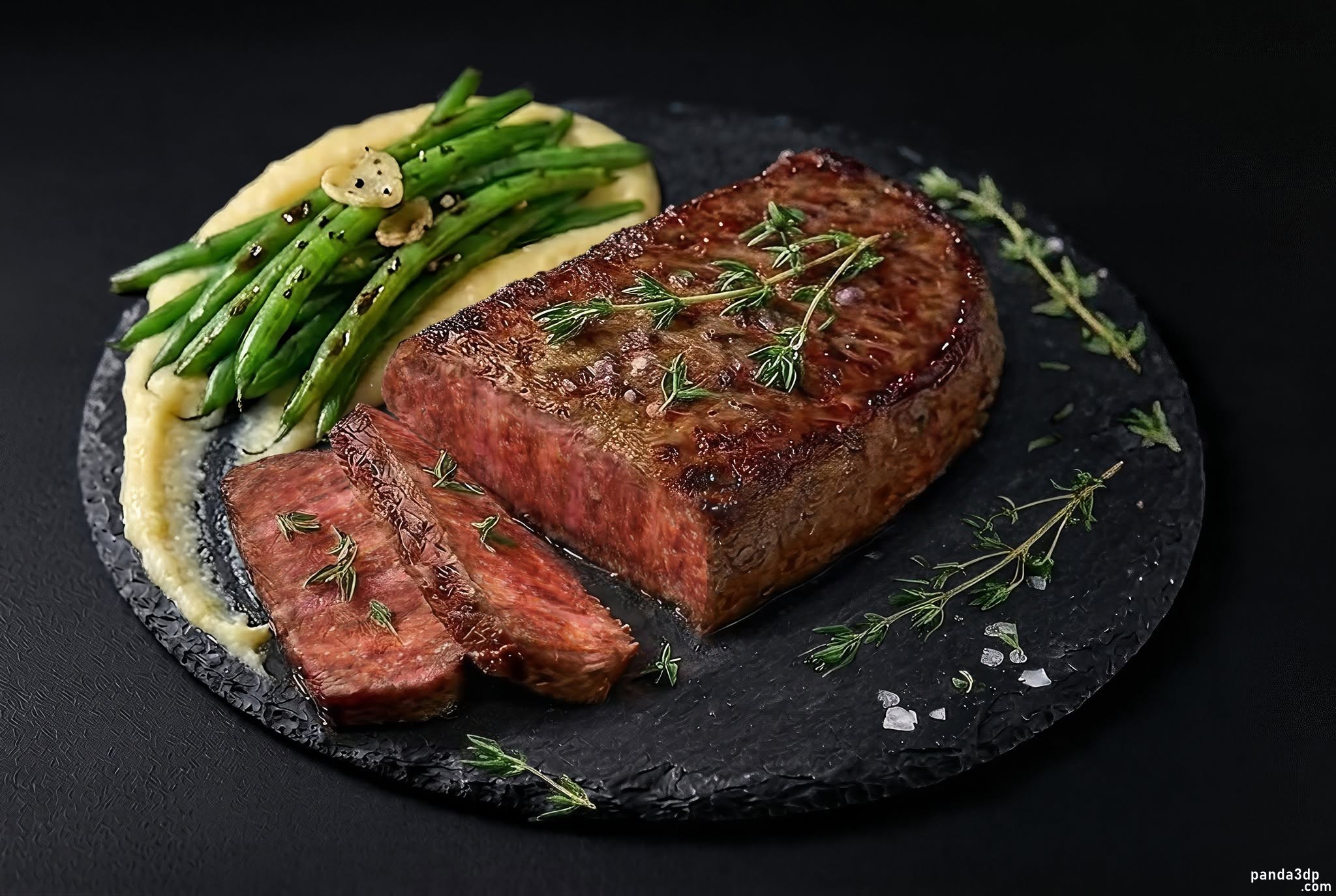
This raised a fundamental question for consumers: did the steak come from an animal or a printer?
Fact check: plant-based products, not animal meat
Snopes investigated and found the claims partly true but seriously confused two concepts. Nanjixiong reviewed Steakholder Foods' September 3 statement and public SEC disclosures, identifying the following:
• Company: Steakholder Foods Ltd., an Israeli company specializing in printing whole-cut plant-based meat.
• Brand: Perfecta Premium Plant-Based Meat.
• Initial region: Northeastern US supermarkets.
• Timing: Before the end of 2026.
• Five launch products: Plant-based marbled steak, filet steak, chicken breast, salmon patties and whitefish patties.
Ingredients include plant proteins such as soy and wheat, without animal cells. Printing deposits them layer by layer to mimic muscle fiber orientation, texture and fat distribution, making appearance, mouthfeel and juiciness closer to conventional meat.
Snopes also checked packaging. Although it does not say “3D printed,” it clearly says “Plant-Based Meat,” distinguishing the products from traditional animal meat.
How a steak is printed
Food printing has been developing for years. Perfecta's focus is whole cuts rather than ground products such as burger patties.
Texture is a major challenge for plant-based meat. Beyond Meat and Impossible Foods can make patties that work well in burgers, but steak and chicken breast require chewable fiber structures. Without those, products can resemble tofu or rubber. This is one reason some brands have broadened their product strategies.
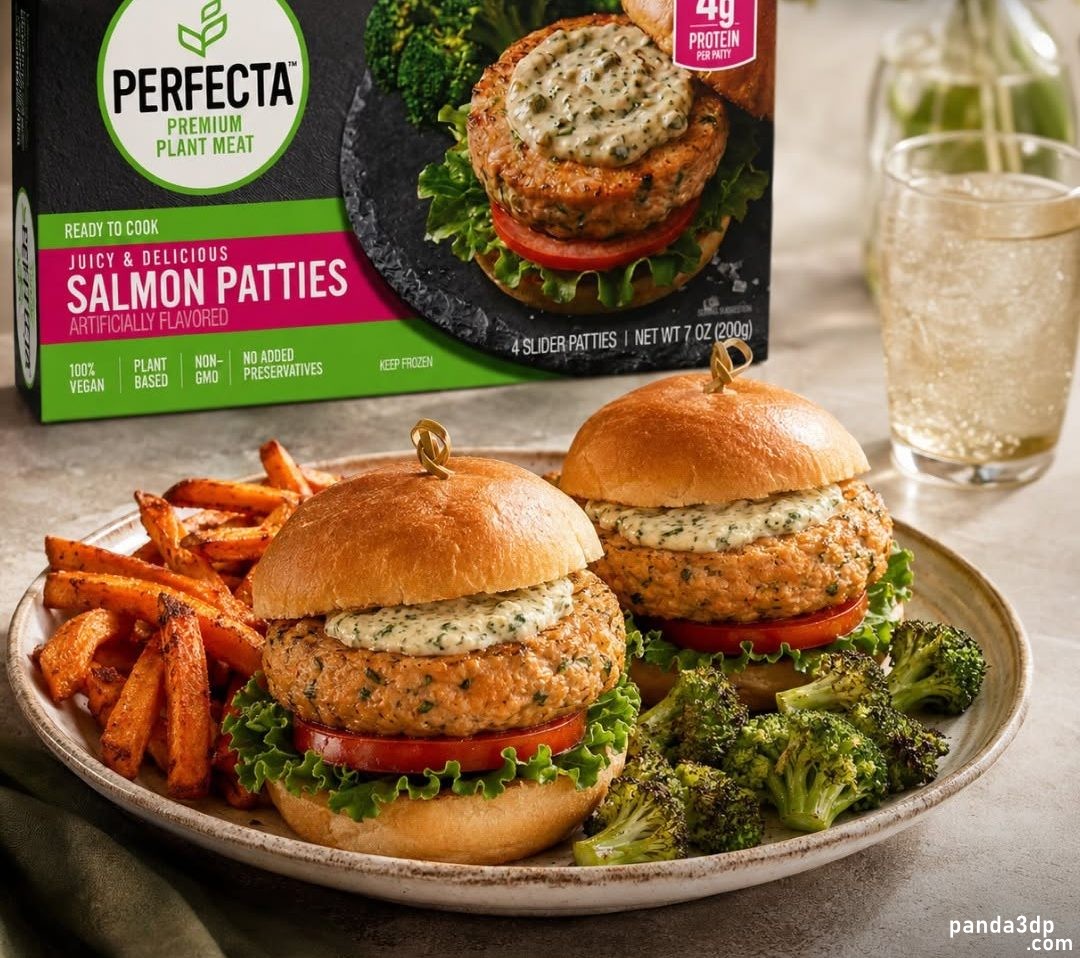
Steakholder Foods uses layer-by-layer printing to control protein fiber direction, fat distribution and moisture, aiming to reproduce marbling and muscle texture. Packaging lists 18 g of protein per serving for its chicken breast and 4 g for salmon patties. Products are labeled 100% vegan, non-GMO and preservative-free.
CEO Arik Kaufman said the plant-based category was ready for a new generation of products without compromising texture or eating experience. The Northeast is the beginning of its commercial journey, with retail and distribution expansion planned as demand grows.
Distinguishing printed plant-based meat from cultivated meat
For the Perfecta products discussed here, printing is a food-shaping process:
• Feedstocks can include plant, fungal or algal proteins.
• Printing builds those ingredients into textured structures.
• The original article describes regulation as that of plant-based food, without a separate printing-specific approval.
Cultivated, or cell-cultured, meat is different:
• Animal cells are sampled and grown in bioreactors.
• The resulting product contains animal muscle and fat cells.
• Separate regulatory approval is required, with commercial sales permitted in only a limited number of jurisdictions.
• Costs currently exceed those of conventional meat.
The two technologies can be combined—for example, printing scaffolds for cultivated meat—but this Perfecta range is entirely plant-based and unrelated to cell cultivation.
Food printing moves from demonstrations to shelves
Companies including Redefine Meat and NovaMeat are also exploring printed plant-based whole cuts. Cultivated meat businesses such as Eat Just are exploring combinations of printing and cell cultivation.
The central advantage is structural control. Conventional molding, extrusion and cutting struggle to reproduce directional muscle-fiber structures. Printing allows layer-by-layer design and could theoretically reproduce textures from beef to salmon.
Speed and cost remain practical obstacles. Throughput is still lower than conventional food production, limiting scale. Perfecta has not announced prices; comparable plant-based whole-cut products suggest pricing may exceed conventional meat.
Chinese plant-based brands mainly use extrusion, fiber texturization and other established forming methods, with relatively few public reports of printing approaches.
Nanjixiong's observation
The story spread because it touched concerns about food safety and loss of control over technology. Consumers primarily want to know what they are eating and where it comes from. Blurring plant-based printing with cultivated meat, combined with suggestions of missing labeling, easily creates anxiety.
Perfecta packaging clearly identifies the products as plant-based meat. They are broadly comparable with familiar plant-based substitutes and burgers, using a more advanced shaping method. Consumers have information to choose whether to buy them.
As for taste, Nanjixiong suggests that once products reach shelves, consumers can cook one and decide for themselves.
Sources cited in the original: Foodbeast; Steakholder Foods; Snopes; China Radio International/CGTN; Food Ingredients First; public SEC filings.
AI-translated from an article by Beijixiong on Nanjixiong, originally published on 2026-10-10. Text and images retain the original source attribution.
Read the original Chinese article |



 Record number | ©2024 panda3dp Team. Powered by panda3dp