On October 14, 2026, TCT Shenzhen officially opened. At the Hi3D booth, Nanjixiong saw that the company, known for its AI 3D model, was showing more than the precision of AI-designed 3D models: it had laid out an entire chain from "AI generation to physical manufacturing."
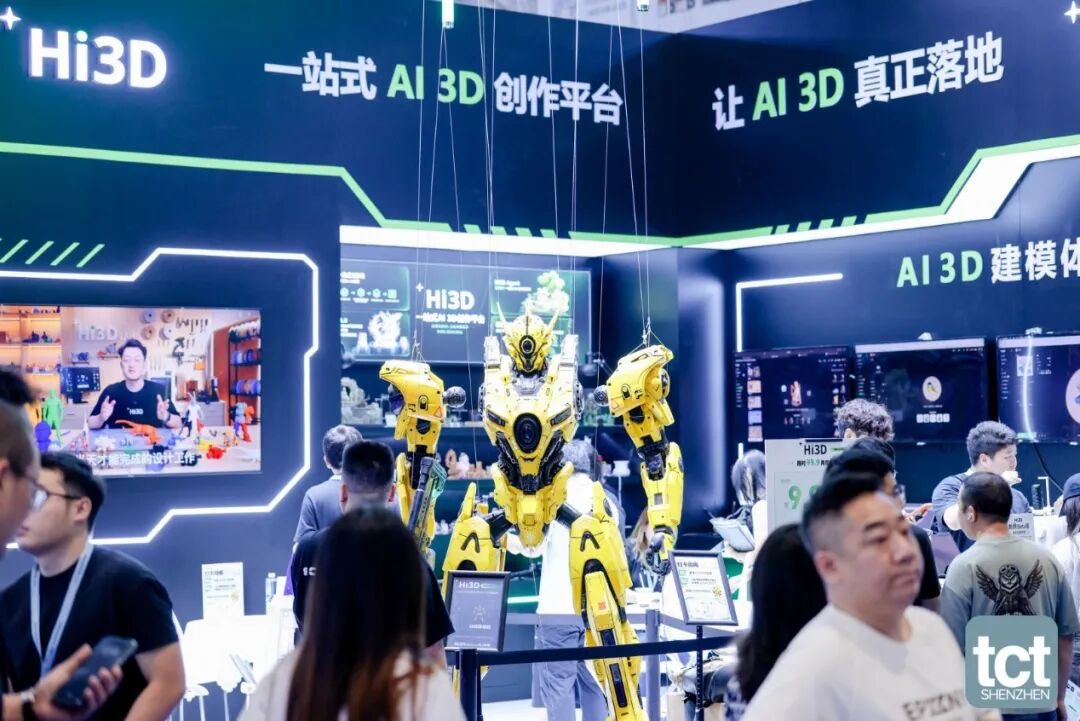
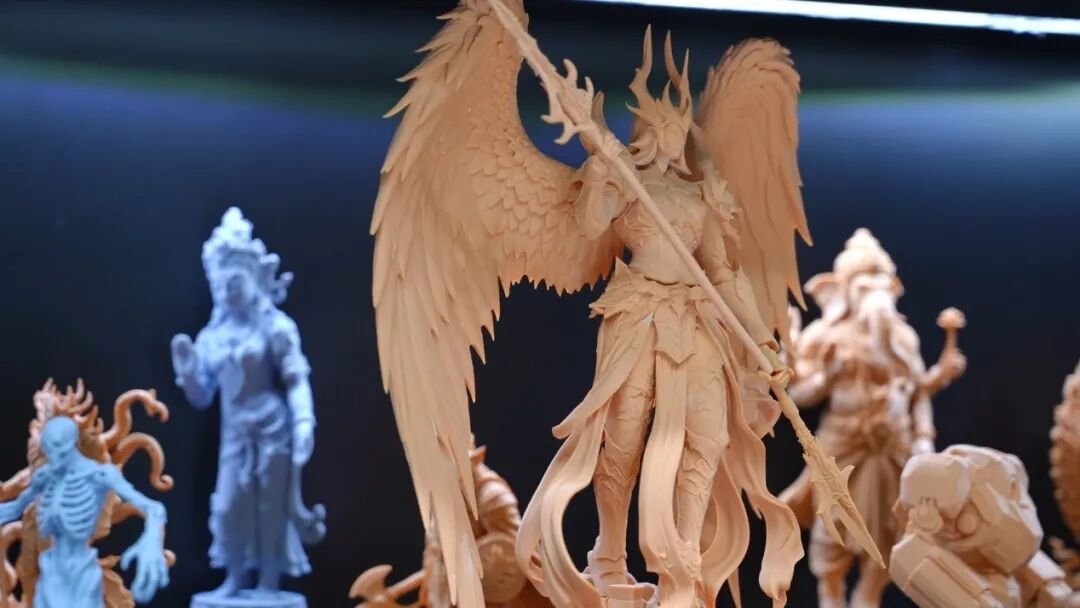
Hi3D's product solutions lead started with its V3.0 AI model. The latest version achieves 2K-level 3D generation precision within the industry—simply put, approximately 2,000 voxels along each of the X, Y and Z axes. A displayed angel statue illustrated the result: it reproduced not only the overall shape, but also details such as feather shafts and down. This reflects Hi3D's continued work on detail control.
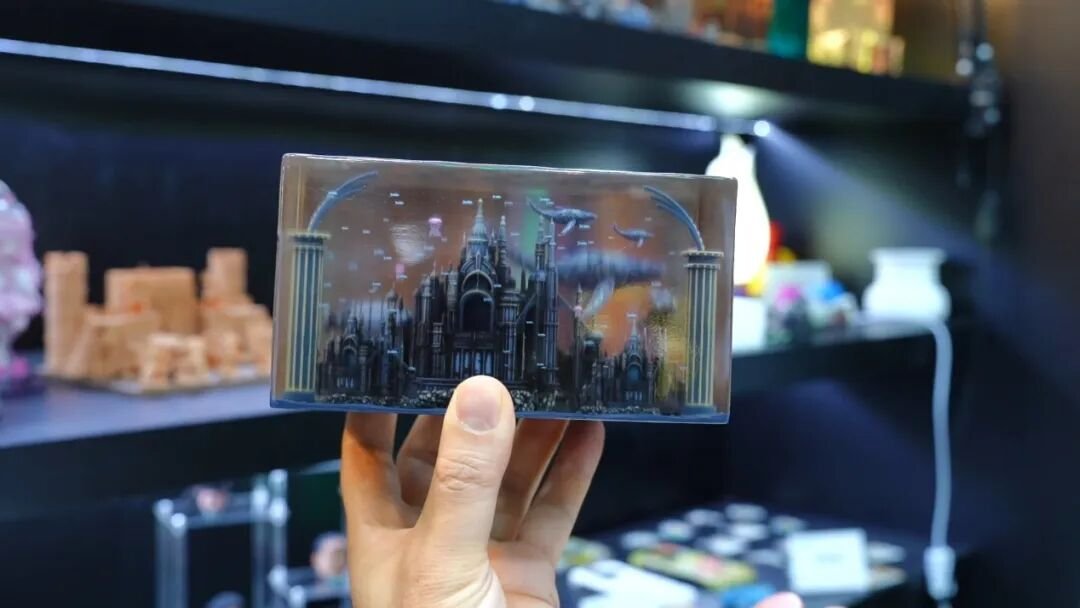
Beyond precision, another eye-catching display was a miniature scene. Staff said it was made using Hi3D's newly launched Agent feature, which can use natural language to generate an entire scene. The "Black Myth: Wukong vs. the Four Heavenly Kings" scene at the booth was generated all at once by Agent, without manual step-by-step modeling. The generated model was produced using full-color 3D printing, with colored material inside and a transparent layer on the outside, creating a polished display piece.
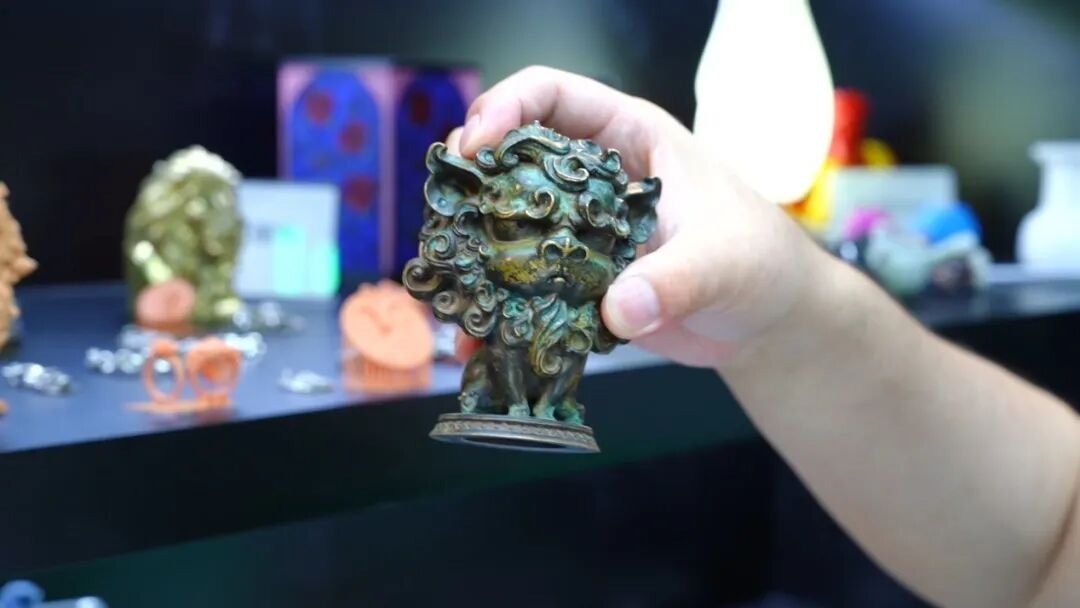
Jewelry is another area Hi3D has been developing for a long time. Pointing to several rings and vintage ornaments at the booth, staff said that jewelry wax patterns require high precision. Hi3D V3.0 shows a clear improvement over the previous generation in reproducing details, and can accurately reproduce complex patterns and vintage designs.
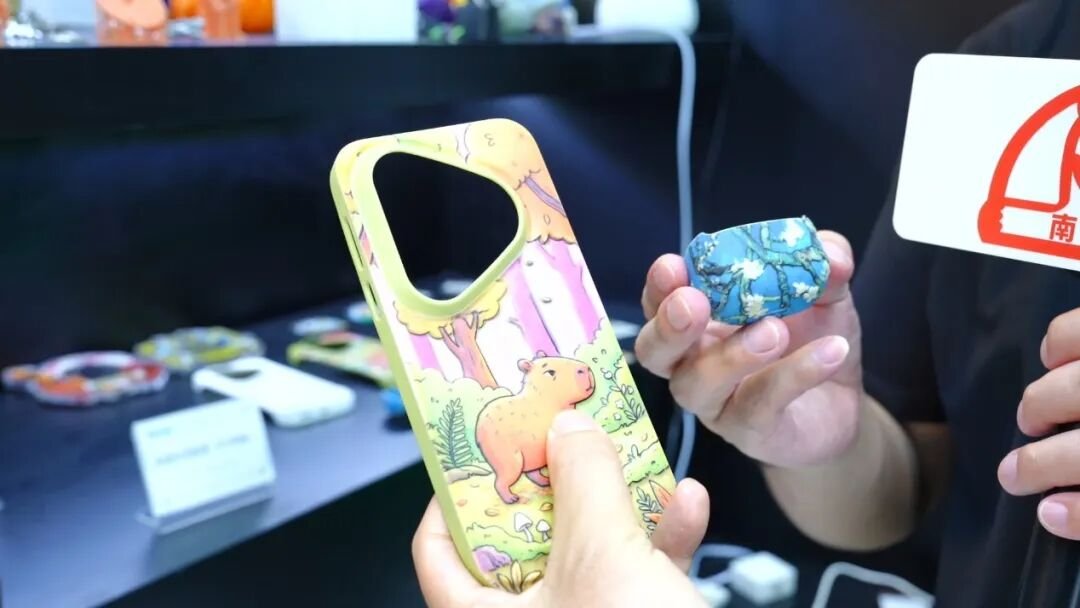
The other side of the booth showcased surface-relief generation: creating embossed patterns directly on products such as phone cases and earbud cases. Where a product SKU previously had only one appearance, a single SKU can now become thousands of personalized versions to meet customers' customization needs.
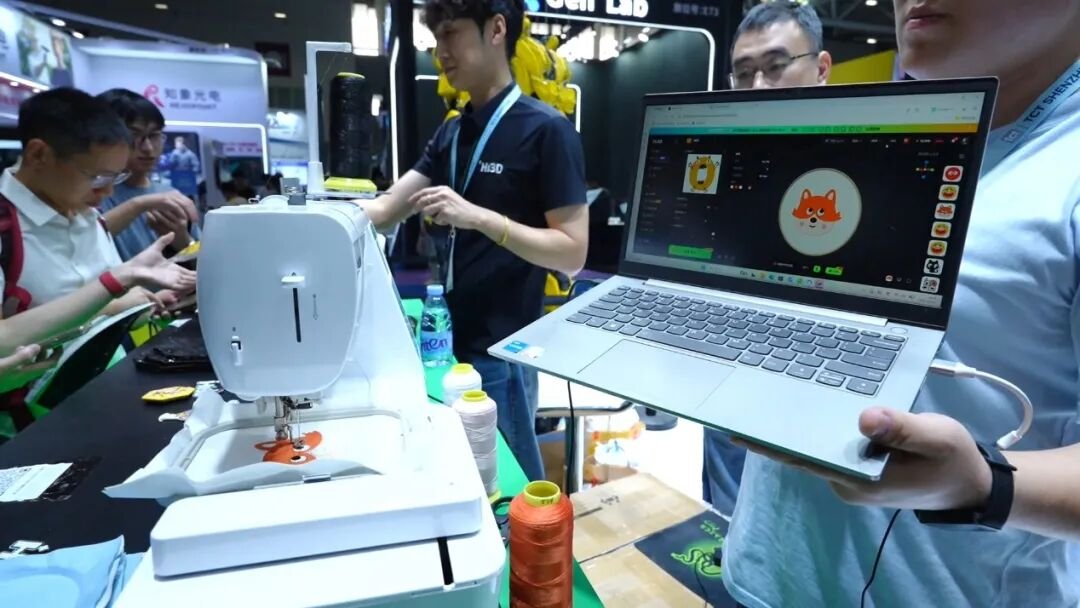
The newest exhibit was embroidery. Staff demonstrated how to use an AI 3D model to design embroidery. Upload an image and AI automatically generates an embroidery pattern, exports a DST file that embroidery machines can read directly, and simulates the stitch-by-stitch embroidery path for preview. Staff said this feature had launched only recently. Previously, designing an embroidery pattern required two or three years of learning software and one or two weeks to produce a design; now users can simply upload an image. "This is mainly aimed at thoughtful, detail-oriented creators, especially female users."
From miniature scenes to surface relief to embroidery, Hi3D is building a chain that connects AI generation to different manufacturing processes, allowing ordinary users to design and make things at home. "It used to be difficult to design something. Now AI lets everyone become a designer, whether designing embroidery or 3D models."
For consumers, Hi3D has built a platform called "Zao Haowu" (Make Good Things), currently focused mainly on chibi-style figurines for creators. The company said the platform will later shift to an e-commerce model, lower the barrier to use and continue expanding its product categories.
Nanjixiong observation
After seeing the entire booth, Nanjixiong's impression was that Hi3D has not limited itself to "AI-generated 3D models." From hard-material miniatures and jewelry wax patterns to soft embroidery, the company is connecting AI generation capabilities to different manufacturing outputs.
Source: Nanjixiong 3D Printing
Original article:
https://mp.weixin.qq.com/s/Ta-vin6ss_76xY8EFqY9rg
AI-translated from an article by Kuaixiong on Nanjixiong, originally published on 2026-10-17. Text and images retain the original source attribution.
Read the original Chinese article |


 Record number | ©2024 panda3dp Team. Powered by panda3dp