Nanjixiong's introduction: Yuding Additive Manufacturing could become another publicly listed metal 3D-printing company. Many in the industry may not know it, but the company says it is the sole supplier of critical load-bearing structural components for some of China's most advanced fighter and transport aircraft. It is a specialist in ultra-large metal 3D printing and supplies titanium-alloy structures for major national programs.
A “heavyweight” company entered the STAR Market pipeline in 2026. Nanjixiong learned that on November 3, 2026, Beijing Yuding Additive Manufacturing Research Institute Co., Ltd. updated its STAR Market IPO prospectus and plans to raise RMB 1.802 billion. The company, whose team is led by Chinese Academy of Engineering academician Wang H inming and grew out of a Beihang University laboratory, reported revenue of RMB 392 million in 2025. Its most recent post-money valuation was about RMB 4.3 billion.
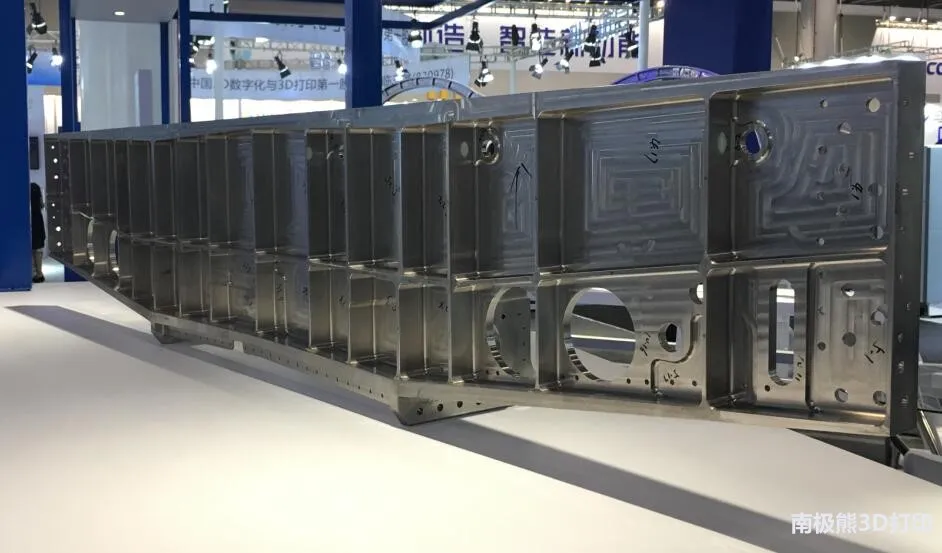
Yuding is not a conventional 3D-printing company. The company says several of its products are the sole manufacturing solution for major domestic aircraft programs, including carrier-based aircraft, large transport aircraft, and hypersonic systems.
Academician-led company spun out of a Beihang laboratory
Wang Huaming, a professor at Beihang University and member of the Chinese Academy of Engineering, is the company's actual controller. The team's foundational technology, “laser forming of large, integrated, complex titanium-alloy aircraft components,” won China's 2012 National Technology Invention Award, first prize.
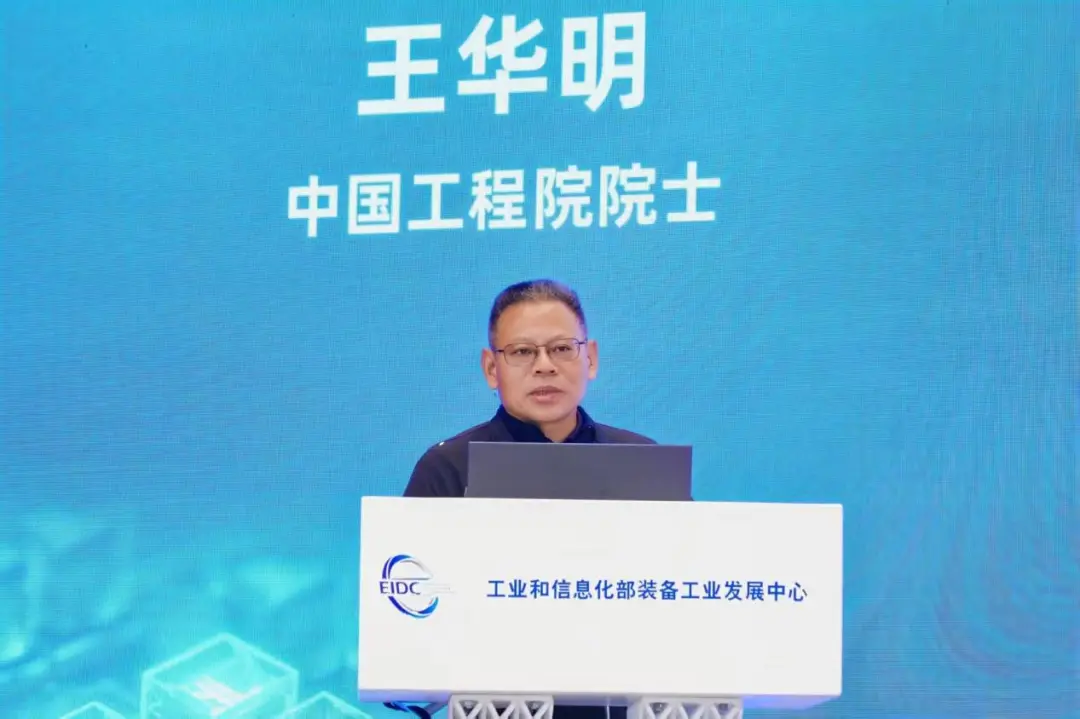
Wang's team was among the first internationally to break through laser additive manufacturing of large, high-performance critical aircraft components in titanium alloy and ultra-high-strength steel. China became the only country to master the technology and put it into aircraft service, according to the source. In 2014, Yuding's predecessor was established to accelerate commercialization and operate the National Engineering Laboratory for Additive Manufacturing of Large Metal Components.
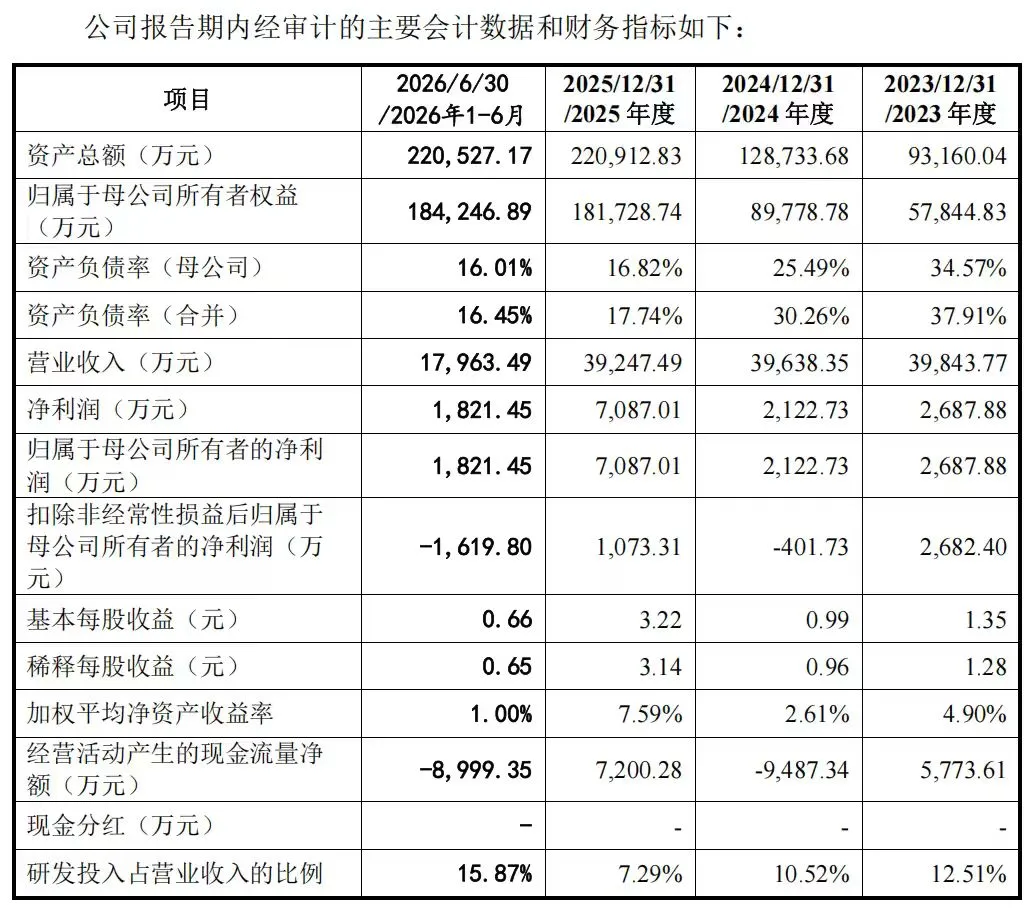
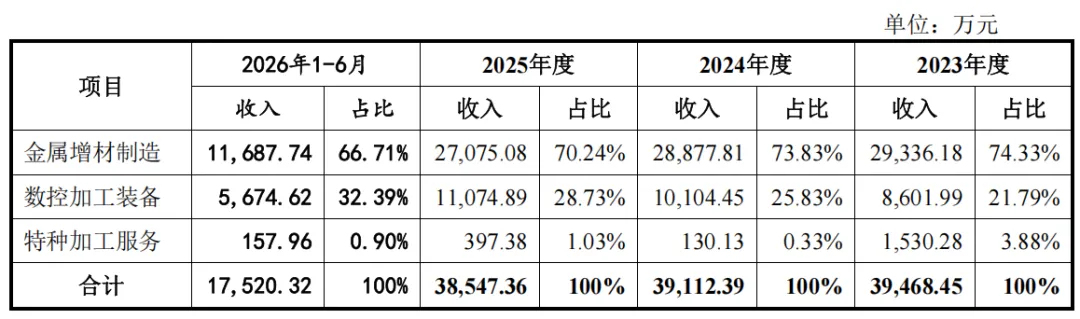
The prospectus reports revenue of RMB 398 million, RMB 396 million, RMB 392 million, and RMB 180 million in 2023, 2024, 2025, and the first half of 2026, respectively. First-half 2026 adjusted net profit excluding non-recurring items was negative RMB 16.198 million, mainly due to defense-sector collection cycles and higher R&D investment.
Three business segments, with metal AM at the core
The prospectus identifies three main businesses: metal additive manufacturing, CNC machining equipment, and specialty machining services.
1. Metal additive manufacturing (about 70% of revenue, the core business): metal powders or wire, including titanium alloys and stainless steel, are processed using directed energy deposition (DED) and powder-bed fusion (PBF) to produce large, complex, high-performance parts. Revenue includes finished printed parts, technical services, and some equipment sales.
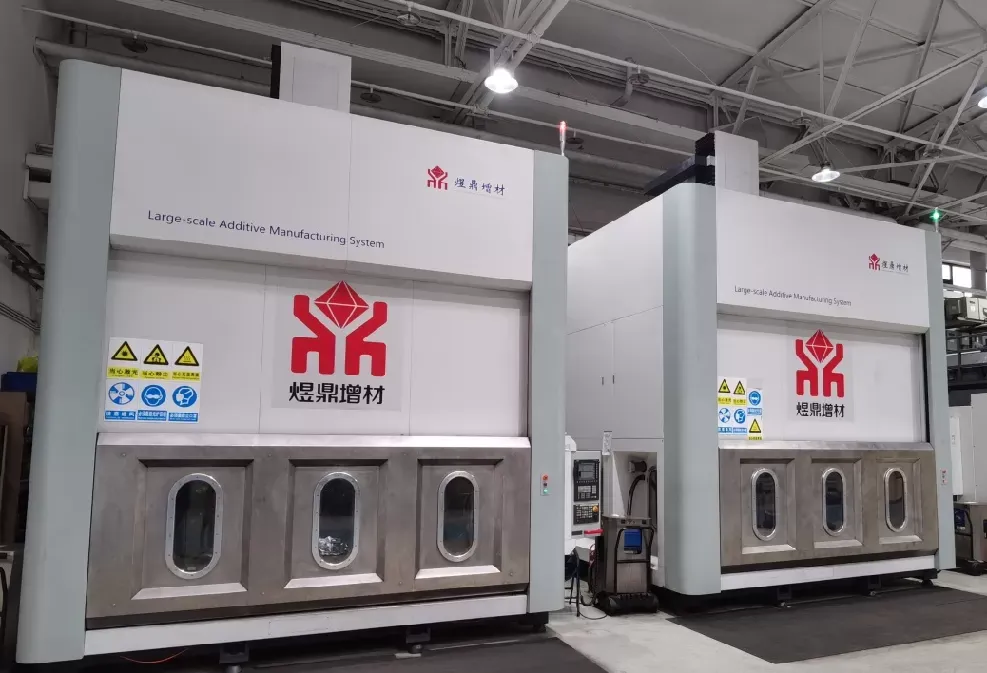
△ Additive-manufacturing equipment for titanium-alloy and other parts. Source: Yuding AM
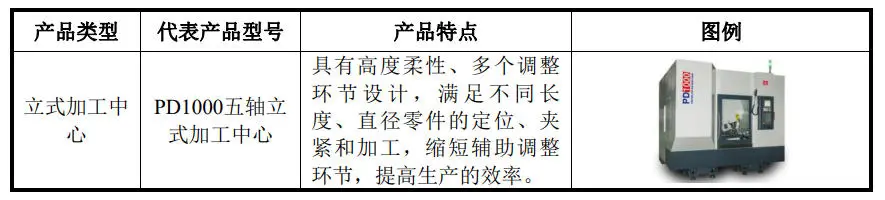
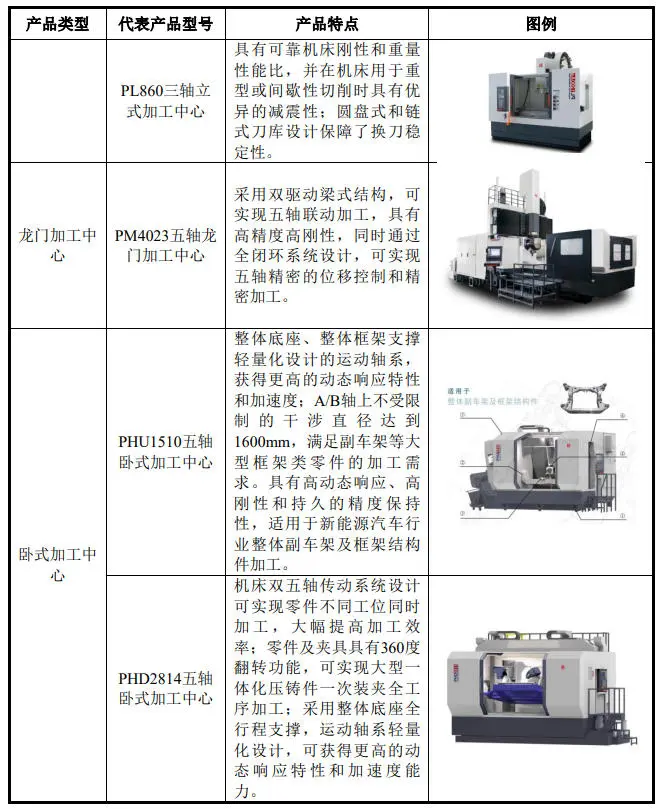
2. CNC machining equipment (about 25%–30% of revenue): To control the supply of 3D printers and post-processing, Yuding acquired relevant assets and began making machine tools. In addition to internal machining of printed parts, it sells three- and five-axis CNC machines, mainly to new-energy vehicle customers for parts such as subframes and transmission housings. This helps lower its own manufacturing costs and has expanded civilian-market revenue.
3. Specialty machining services (a very small share): the company uses its own machining lines and laser-surface-treatment processes to provide precision machining and surface strengthening for difficult-to-machine materials in areas such as nuclear energy.
Applications range from aircraft and rockets to nuclear and semiconductor equipment
Yuding's components are designed for major strategic equipment rather than hobby products. DED is suited to large, high-efficiency, primary load-bearing structures; PBF is suited to precision parts with complex internal channels.
Aerospace (core production applications)
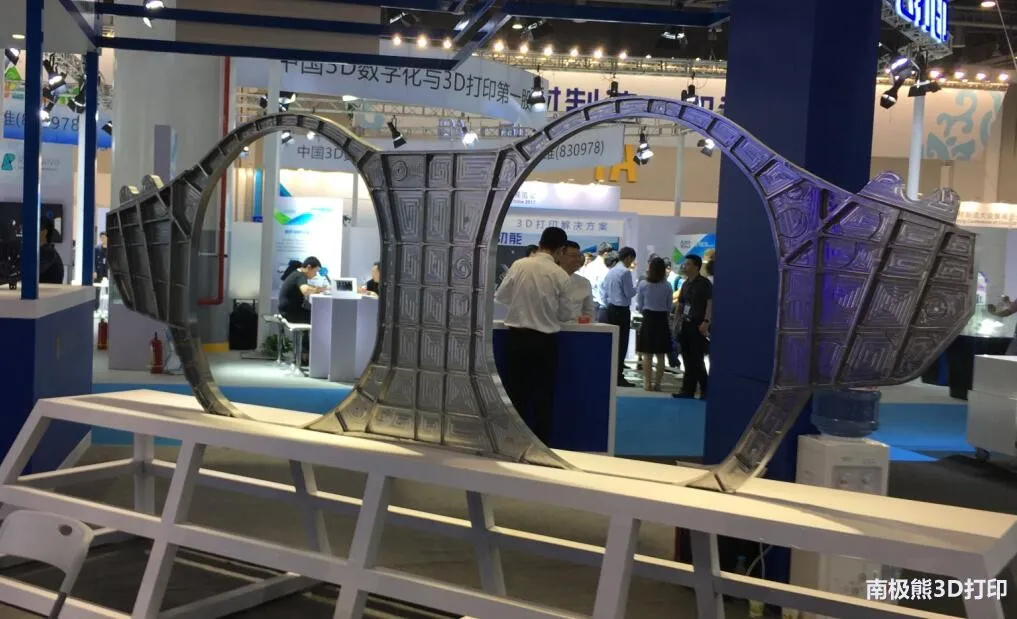
- Large transport aircraft: large integrated titanium-alloy truss and engine-pylon connector structures. The company says it is the sole solution supplier for these load-bearing parts.
- Carrier-based fighter aircraft: large integrated titanium-alloy primary load-bearing forward-fuselage frames, supplied as the sole solution to support the development schedule.
- Space and UAVs: rocket-core connection supports, Mars-probe brackets, and missile-warhead housings.
Nuclear-energy equipment (expanding rapidly)
The company produces ultra-compact microchannel heat exchangers with tens of thousands of internal channels. Their volume is less than one-tenth of conventional designs, and they weigh more than two tonnes, substantially improving heat exchange in nuclear reactors.
Semiconductor and high-end equipment (cost reduction)
Components include lithography-machine motor mounts (89% lighter), silicon-carbide top plates (42% higher stiffness), manifold blocks, cold plates, and gantry frames for lithography and metrology equipment. These components are highly sensitive to temperature and vibration.
Business model: make to order for high-end industrial markets
Yuding's operating model reflects its involvement in major national equipment projects and its research background.
- R&D is driven by major equipment requirements and market-oriented independent development. Because defense programs are highly confidential, design organizations generally complete the external geometry, while Yuding develops advanced materials and processes.
- Production is mainly make-to-order with some advance production. For parts described as a “sole solution,” the company may produce in advance based on a prime contractor's production notice or forecast. Core steps such as laser forming and heat treatment are completed in-house; some non-core machining and inspection are outsourced.
- Procurement uses a three-tier classification of key, important, and general items. Customers may be invited to evaluate suppliers of defense-related products.
- Sales are mainly through sole-source procurement. Prime contractors typically use sole-source purchasing or quotations for products on the approved list. Since some Yuding products are the sole solution, the company says it has bargaining power and high entry barriers. Defense products may be subject to final government price review; contracts are therefore signed at provisional prices and may be adjusted afterward.
89% weight reduction and ultra-large metal printing
Yuding says its position as a sole-source supplier comes from its DED capabilities and expansion in PBF. The prospectus reports several figures:
- Maximum build capability: 10 m × 5 m × 3 m. The team produced an integrated titanium frame with a projected area of 16 m², which the company describes as the largest laser-AM part reported as delivered and installed in production worldwide.
- Extreme lightweighting: topology optimization and lattice structures reduced the weight of a lithography-machine motor mount by 89% while substantially increasing stiffness. A flow-guiding block in laser-annealing equipment was reduced in weight by 95%.
- Performance beyond forgings: the proprietary LAM-TC11 titanium alloy retains strength and has fracture toughness and fatigue-crack-growth resistance reported to exceed conventional forgings, addressing the challenge of combining high strength and toughness.
In nuclear equipment, the PBF-produced ultra-compact microchannel heat exchanger has tens of thousands of internal thin-wall channels, a volume below one-tenth of a conventional design, and a weight above two tonnes. The company says these tasks cannot be completed by conventional casting and machining.
RMB 1.8 billion fundraising targets larger systems and capacity
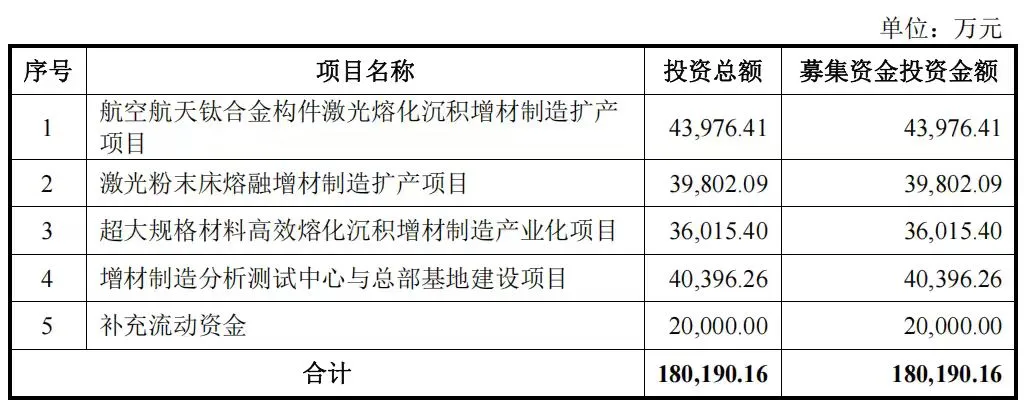
Yuding plans to raise RMB 1.802 billion in its STAR Market IPO for four operating projects and working capital:
- Expansion of laser-deposition AM for aerospace titanium-alloy components: RMB 439 million.
- Expansion of laser powder-bed fusion AM: RMB 398 million.
- Commercialization of high-efficiency deposition AM for ultra-large parts and materials: RMB 360 million.
- Construction of an AM analysis/testing center and headquarters: RMB 403 million.
Yuding has relocated from Beijing to Xiong'an New Area as a designated Category II relocation company and will base its headquarters and main operations there. The IPO projects are intended to expand capacity for large, highly complex metal structures.
A deep competitive moat, with risks disclosed in the prospectus
Defense-sector 3D printing has barriers far beyond those in the consumer market. Yuding's components are used in aircraft engine pylons, primary fuselage frames, missile housings, and nuclear-reactor heat exchangers, where tolerance for failure is effectively zero. When conventional forging is constrained by tooling and size limits, Yuding has used laser AM to produce titanium load-bearing structures up to 10 m, which it describes as sole-source solutions. This is high-end industrial technology.
The prospectus also identifies challenges:
- Customer concentration is extremely high: the top five customers account for more than 82% of revenue, and the largest customer (Unit A) for more than 50%. Results are highly sensitive to procurement schedules in the defense sector.
- Accounts receivable are high. With “Product A” not yet settled, receivables and contract assets approach RMB 700 million, a high proportion of revenue.
- Gross margin is declining, from 35.24% in 2023 to 28.48% in 2025. New-product introduction and depreciation at the new Xiong'an base are testing profitability.
From a Beihang laboratory to Xiong'an, from Wang Huaming's research results to a STAR Market IPO, Yuding's listing effort illustrates the path of China's large metal AM sector from technology development to capital-supported growth.
Source: Yuding AM IPO prospectus and Nanjixiong 3D Printing Network
AI-translated from an article by Xiaoruanxiong on Nanjixiong, originally published on 2026-11-10. Text and images retain the original source attribution.
Read the original Chinese article |


 Record number | ©2024 panda3dp Team. Powered by panda3dp