Introduction: Users of AI-generated 3D models share a frustration: a model looks realistic on screen, but exporting it for slicing reveals non-manifold edges, open surfaces and noise from uncontrolled polygon counts. Repair can take longer than modeling from scratch. When will AI models move from visually attractive to production-ready?
Nanjixiong learned that in November 2026, VAST launched its new high-precision foundation model Tripo H3.5, the 3D-printing-specific agent Polipop and the integrated Tripo Agentic Canvas workspace. The aim is to make AI-generated models printable rather than merely viewable.
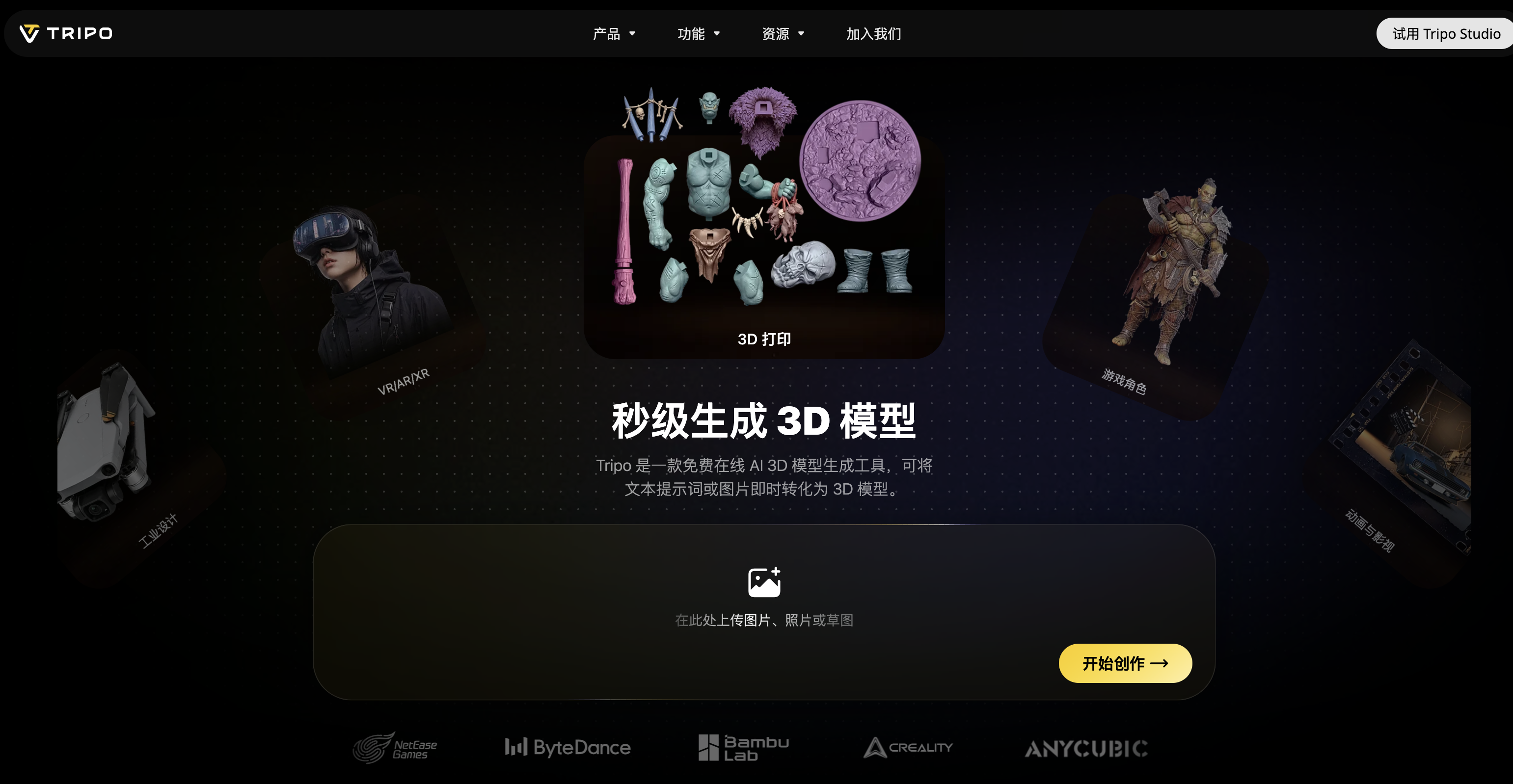
H3.5 generates natively watertight models
The industry previously judged AI 3D models largely by polygon count and texture resolution. More polygons do not necessarily mean genuine detail, and good textures do not guarantee correct structure.
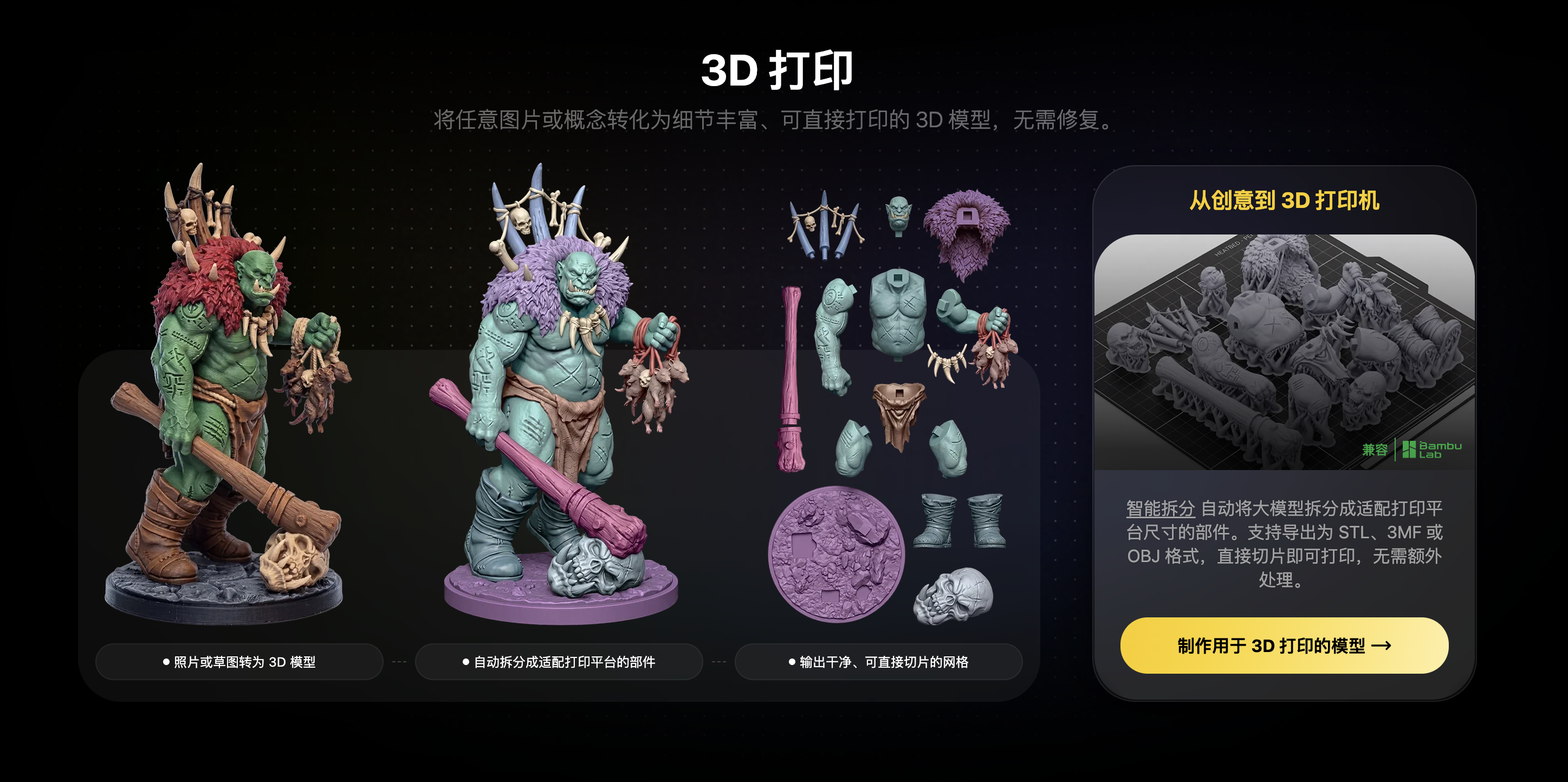
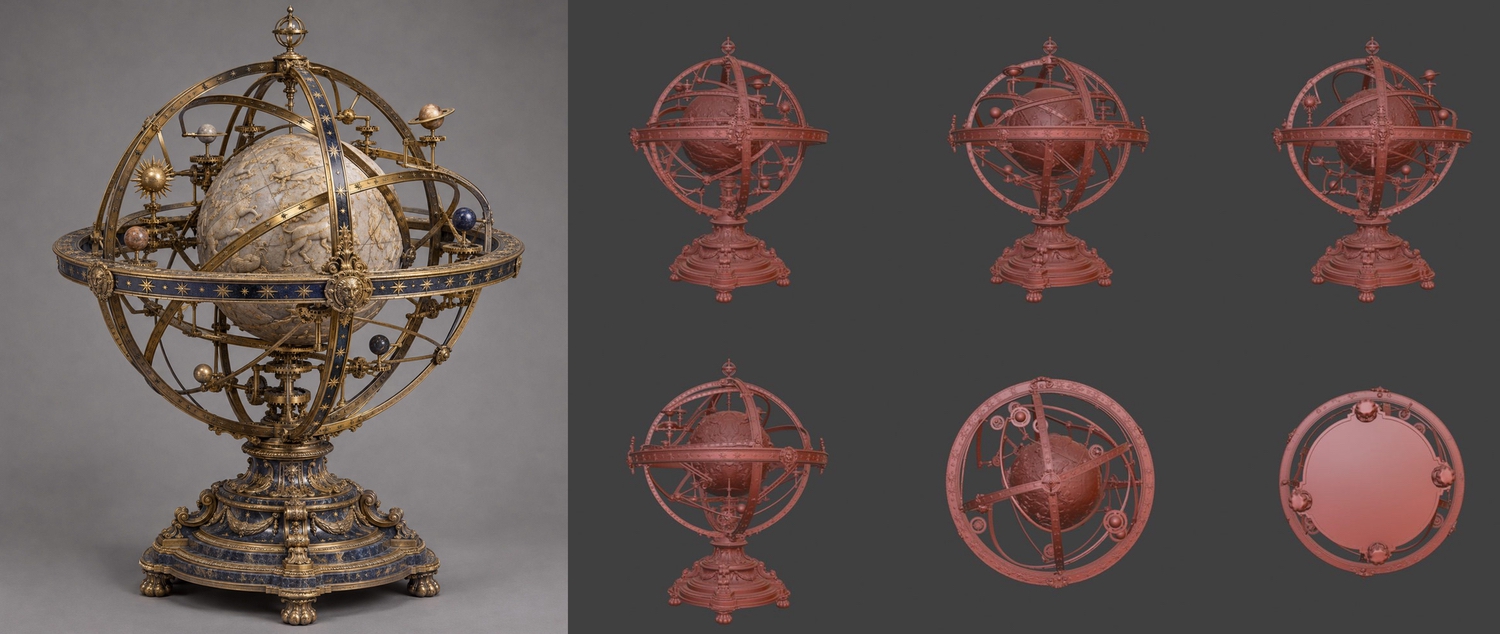
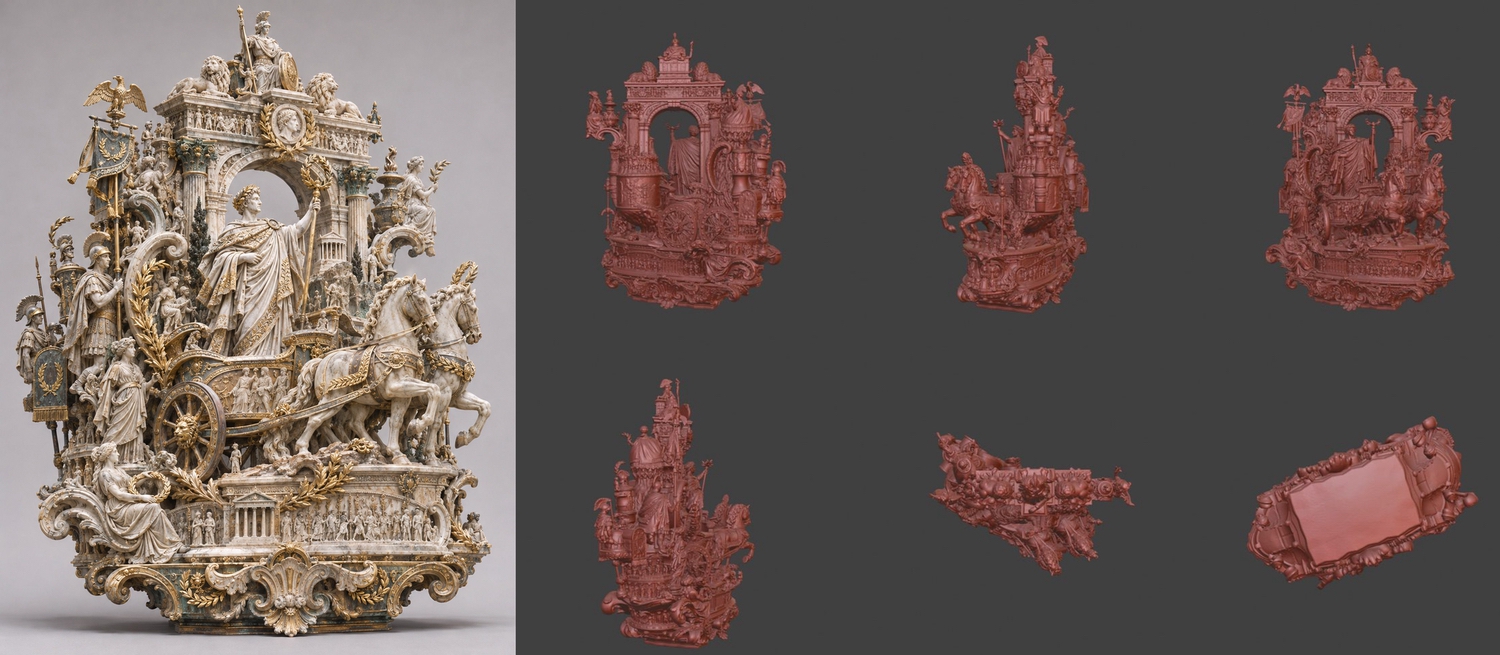
Tripo H3.5 proposes two core criteria: True Fidelity and Disciplined Detail. Instead of unconstrained polygon accumulation, it models important semantic details—faces, fingers, gears and chamfers—clearly while keeping planar regions clean. It supports generation of approximately five million polygons and reasonably infers rear and occluded structures rather than excelling only from the front.
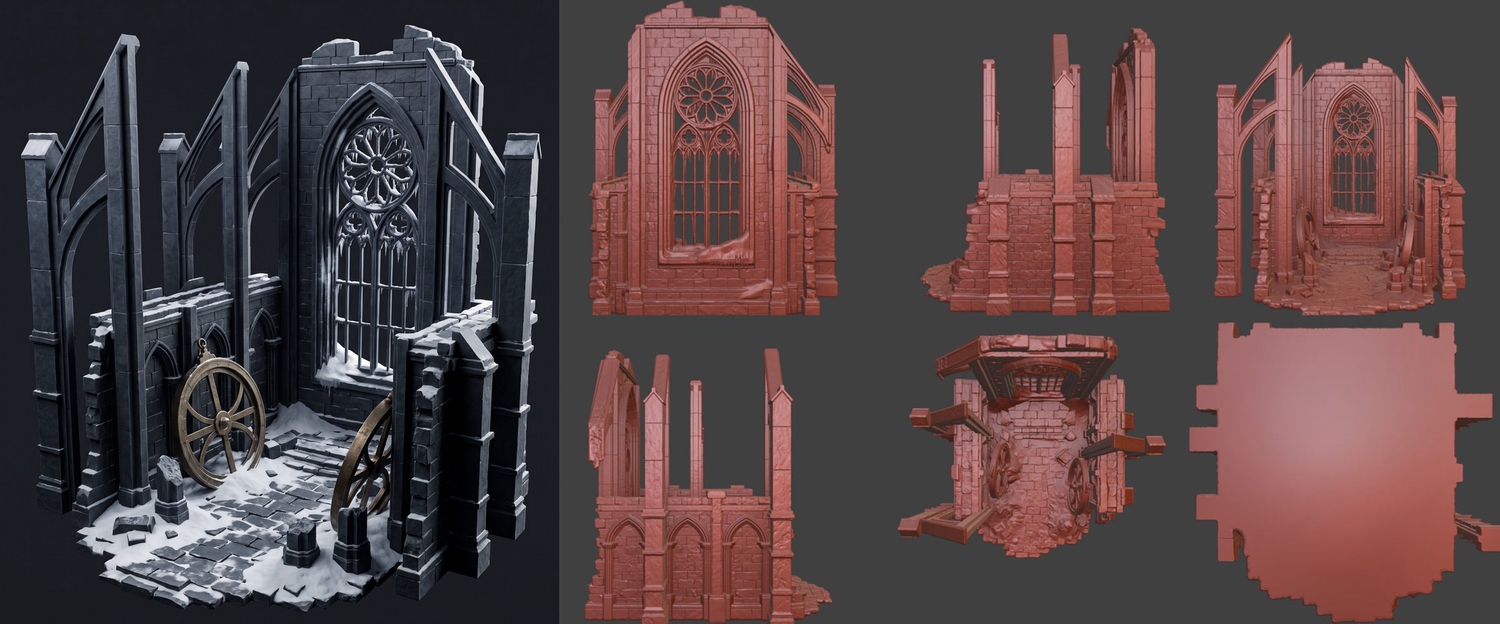
Most importantly, H3.5 natively generates watertight models and includes printability checks and automatic repair in the generation interface. Set the target size, and it detects thin walls and non-manifold edges and fills holes with one click. Exports support STL, OBJ and 3MF and connect directly to mainstream slicers such as Bambu Studio. This moves much repair work upstream and automates it.
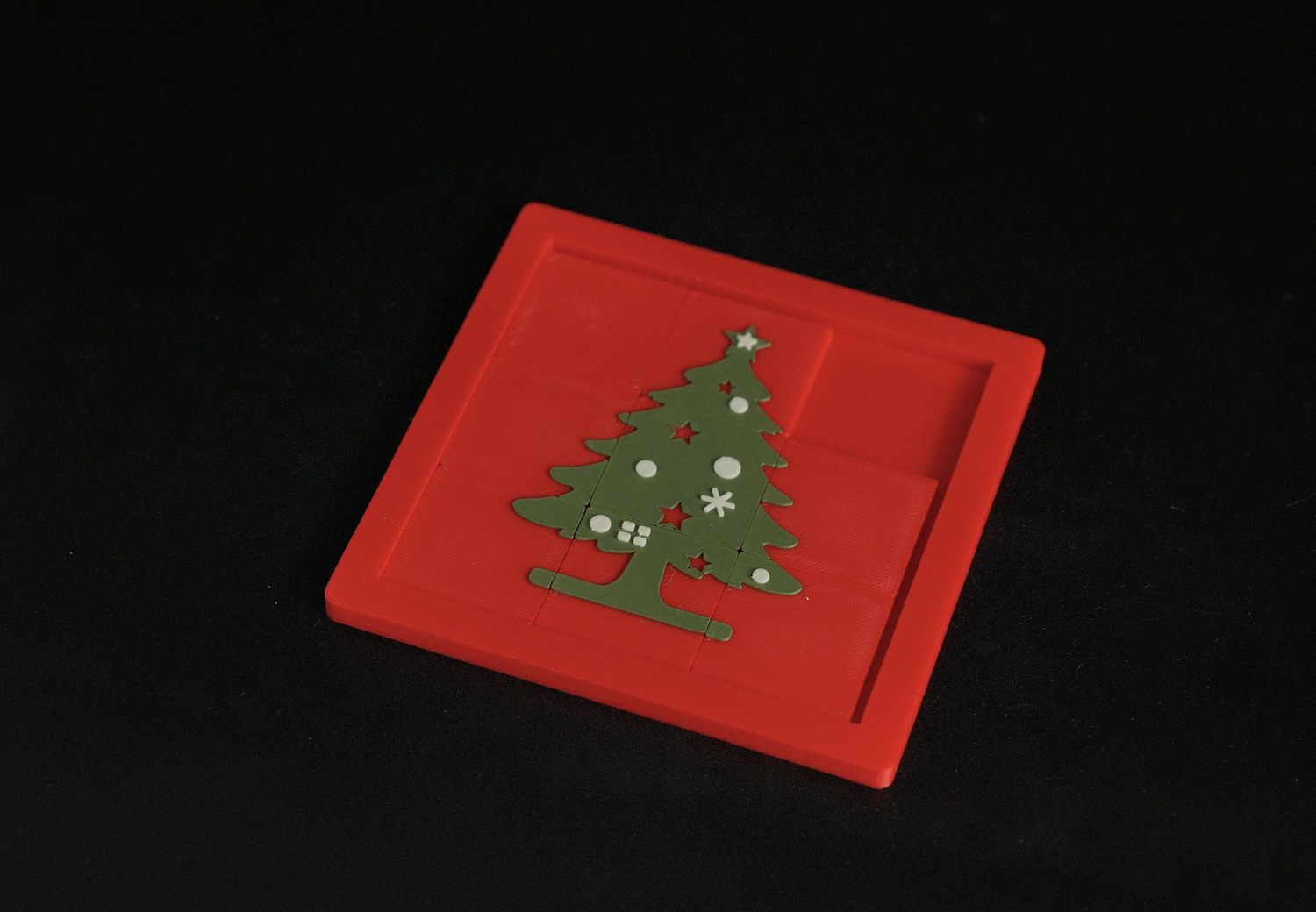
Polipop understands generation, the physical world and printing processes
If H3.5 addresses whether a model can print, Polipop addresses the complete idea-to-object workflow as an agent tailored for 3D printing.
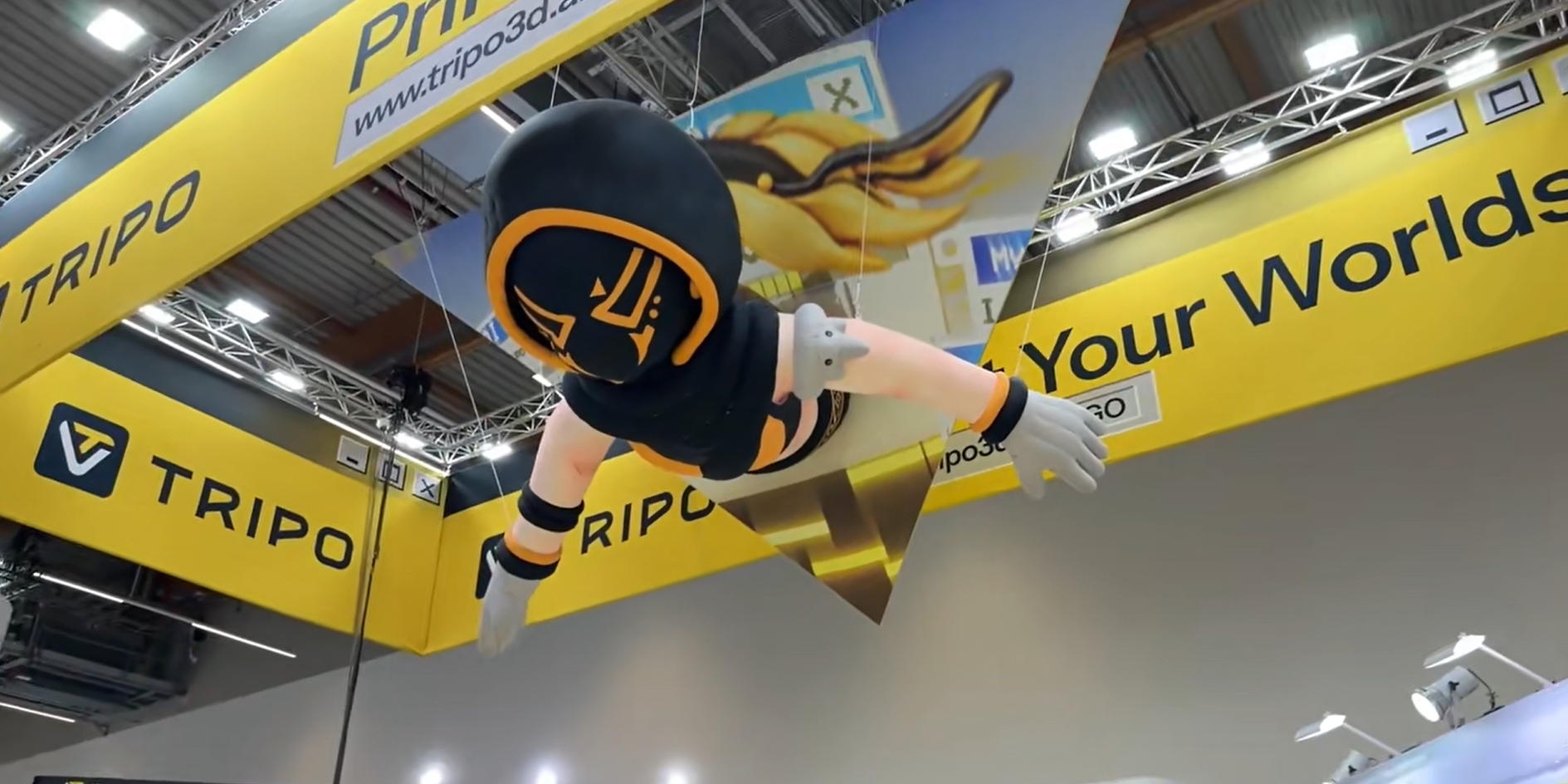
Polipop made its physical debut at the recently concluded Formnext, attracting more than 200 visitors to try it in two days. Beyond AI reasoning, it incorporates physical-world knowledge and a manufacturing-process library.
In one striking example, a service provider asked it to generate an access card from a game without supplying reference images or dimensions. Polipop recreated the game's appearance and automatically applied common real-world access-card dimensions. In another, an animal enthusiast requested a realistic bird-shaped microphone enclosure. Through conversation, Polipop fitted the dimensions, generated internal microphone clips and even reserved openings for charging and sound pickup.
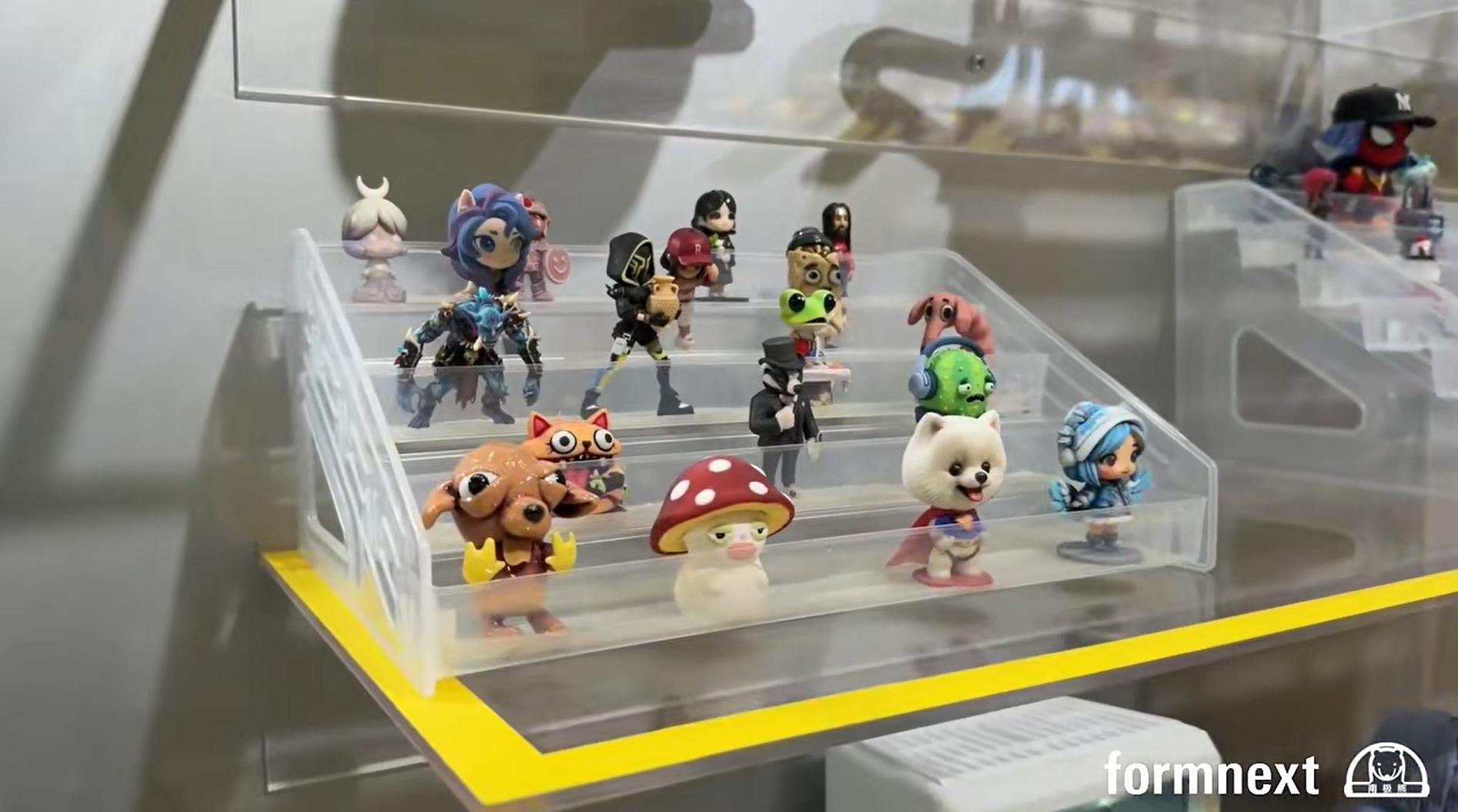
From functional components to complex figurines, Polipop checks assembly clearances, validates physical simulations, recommends consumables and outputs directly printable 3MF files. It remembers the user's printer and available space, building a personal physical-environment model that increasingly understands the workshop.

Agentic Canvas and ecosystem integration: Filling the content gap
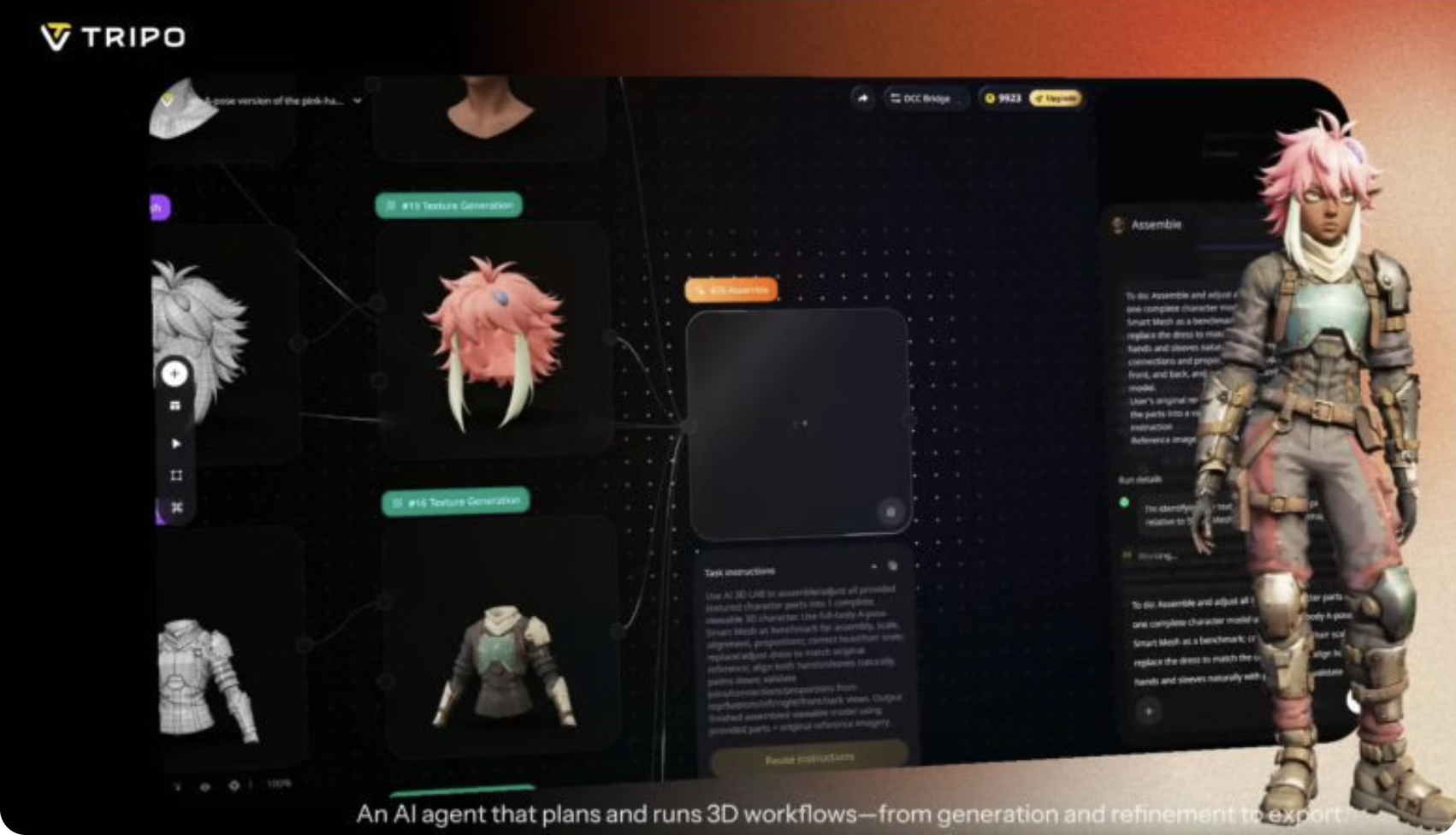
Alongside H3.5 and Polipop, VAST introduced Agentic Canvas inside Tripo Studio. Users issue natural-language instructions in a visual workspace, and the agent plans and executes generation-to-repair workflows. For printing, watertightness checks, one-click hole filling, assembly-oriented part splitting and mortise-and-tenon generation, and automatic base creation become visual nodes, ultimately connected to Bambu Studio. A hand-drawn sketch can become a printable figurine in minutes.
Tripo has established deep connections with Bambu Lab and HeyGears. As one of the earliest AI foundation models integrated into MakerWorld, it reduces prototype design time by 90%. Integration with HeyGears' full-color engine connects generation, full-color printing and physical output.
Nanjixiong's observations: Production readiness is AI 3D's dividing line
Competition once centered on generating an attractive image from a sentence; now it centers on generating a model that can be sliced directly. Moving from visual presentation to production readiness is essential for closing the loop with industrial and desktop manufacturing.
VAST's combination of H3.5, Polipop and canvas workflows links generation, inspection, repair, part splitting and slicing into an automated production line. Rather than leaving repair problems to users, it uses an understanding of physical laws and manufacturing processes to make output printable and assemblable from the outset. Once the content bottleneck opens, the next surge in consumer 3D printing may emerge from these invisible agents.
AI-translated from an article by Xiaoruanxiong on Nanjixiong, originally published on 2026-11-25. Text and images retain the original source attribution.
Read the original Chinese article |



 Record number | ©2024 panda3dp Team. Powered by panda3dp