Introduction: If laser powder bed fusion (SLM) provides precision metal forming, binder jetting (BJ/3DP) is viewed as 3D printing 2.0 for true volume production: efficient, low-cost and compatible with many materials.
The source states that the 2026 Additive Manufacturing Conference opened in Luzhou on November 25. Beijing 3DPTEK presented integrated BJ/3DP solutions, from four-meter sand-printing machines to metal/ceramic precision parts exceeding MIM standards, demonstrating industrial green-casting and advanced-cooling applications.
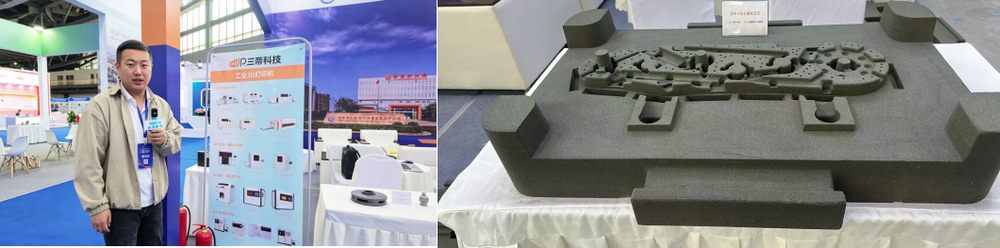
Sand printing from 1.2 to four meters: Mold-free green casting
Large, complex castings are challenging in aerospace, automotive and construction equipment, especially individual trials and small batches. Wooden or metal patterns add time and cost and constrain complex internal cavities.
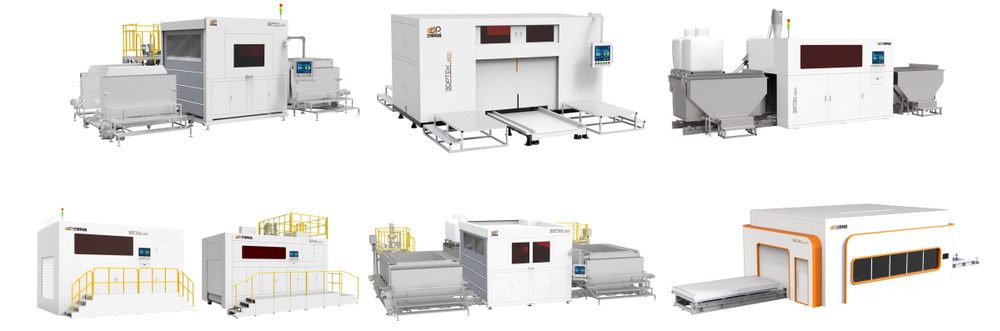
3DPTEK-J1200, J1800(S), J2500(A), J2800 and J4000(Pro).
The sand-printing portfolio addresses this with sizes of 1.2, 1.8, 2.5 and 2.8 m through the four-meter J4000 Pro, covering large, complex molds and cores.
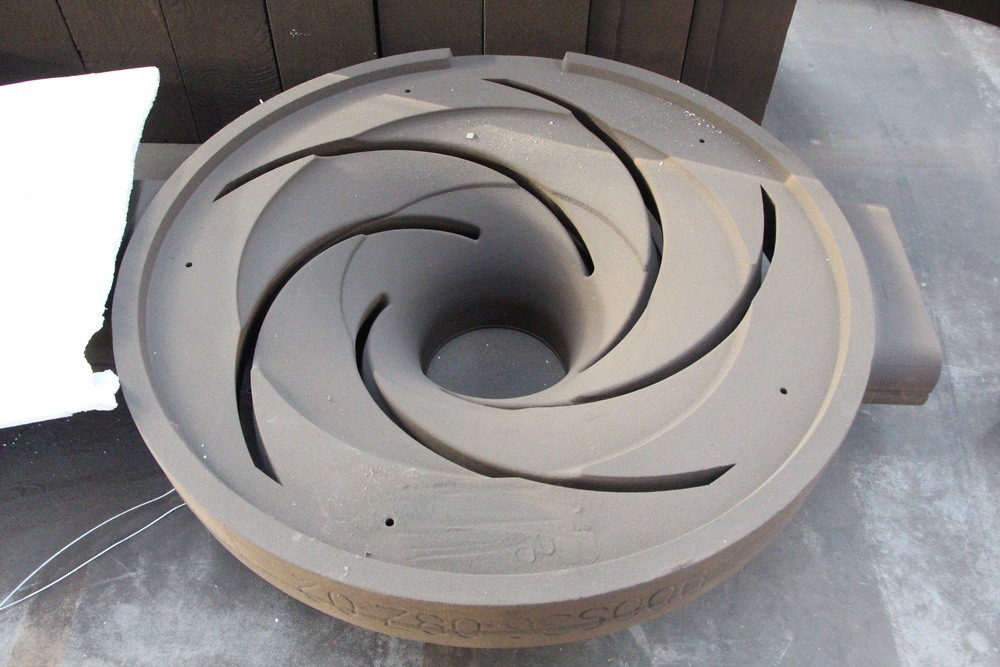
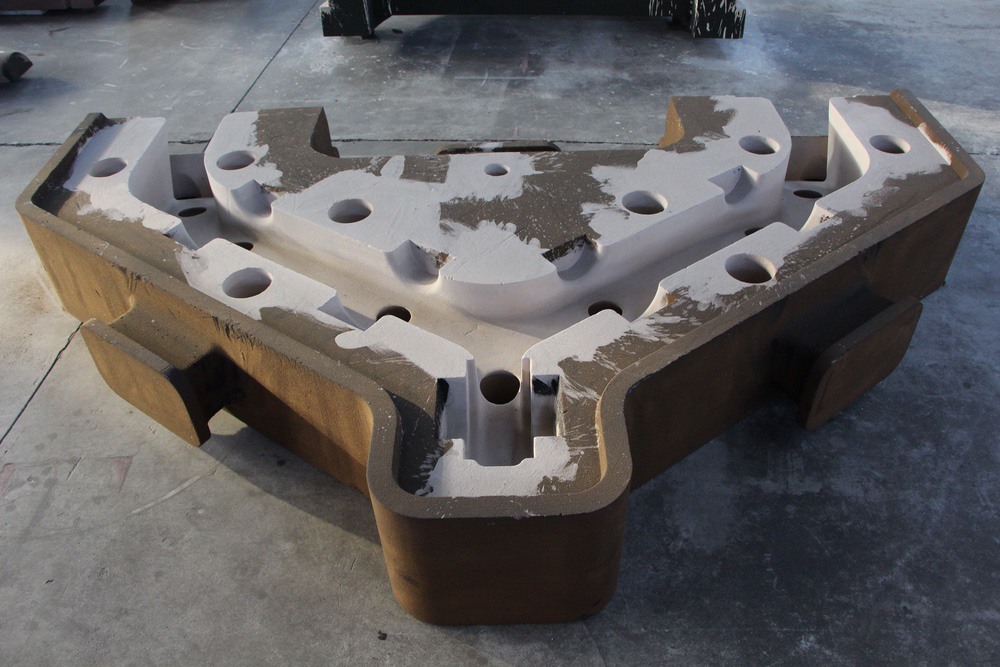
Materials and processes form another advantage. Nearly 30 proprietary casting-material/process formulations cover cast aluminum, copper, steel, iron and magnesium. Mold-free, greener production removes patternmaking and substantially shortens lead times.
Metal/ceramic binder jetting for thermal management and precision structures
Displayed copper–diamond heat exchangers, unconventional microchannels and silicon-carbide mirrors attracted professional attention.
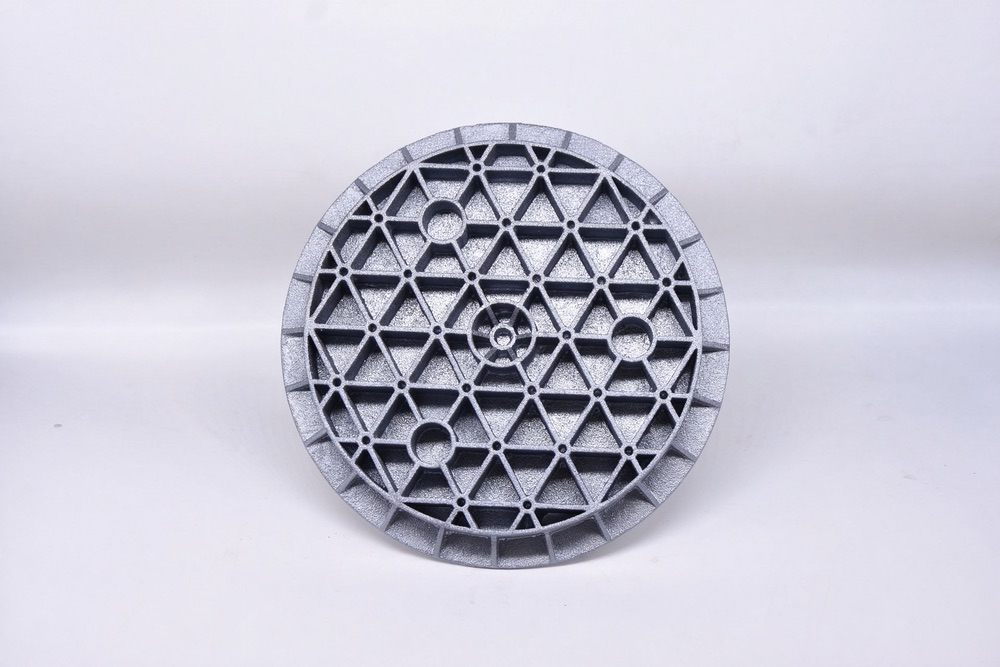
AI computing and high-power electronics intensify thermal bottlenecks. Copper–diamond combines high conductivity and low thermal expansion but is difficult to machine. BJ forms complex microchannels in one operation. R&D R-series machines such as J160R and production P-series machines such as J400P and J800P cover material validation through batch manufacturing.
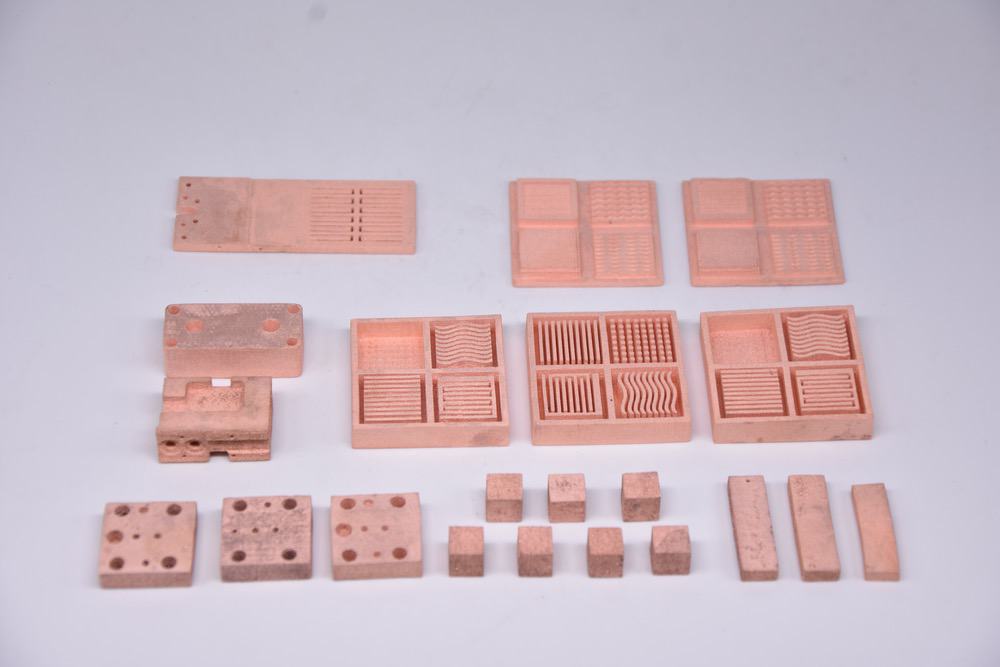
Forming accuracy is better than ±0.1 mm. Five binder families with more than 20 formulations support stainless steels, titanium alloys, superalloys, refractory metals and silicon carbide ceramics. Printed product properties reportedly exceed international metal injection molding (MIM) standards, offering a competitive volume-production route for advanced thermal components.
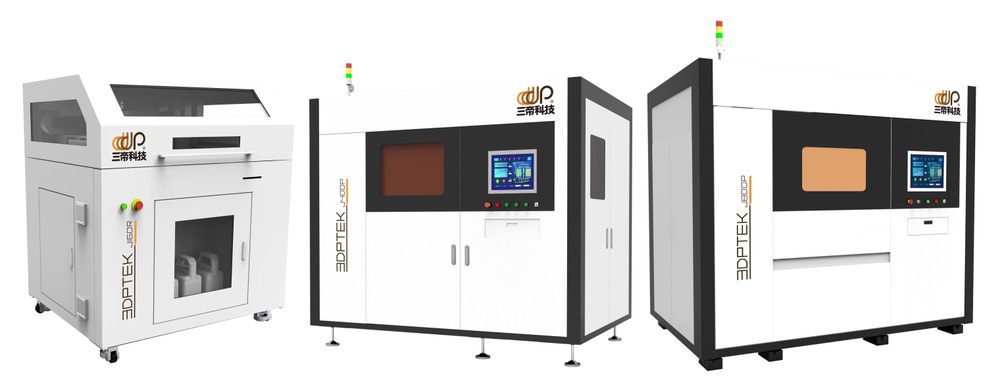
3DPTEK-J160R for R&D; J400P and J800P for production.
Nanjixiong's observations: Binder jetting's volume-production benefits
Unlike pointwise laser scanning, binder jetting processes areas, offering high productivity and lower unit costs. It suits demanding capacity and cost targets for large aerospace sand molds, automotive components and advanced cooling parts.
3DPTEK shows a complete materials–equipment–process–application loop rather than isolated machines or recipes. From greener, faster basic casting to precision processing of copper–diamond and silicon carbide, 3D printing 2.0 is moving into real factories and supporting greener, lighter manufacturing.
AI-translated from an article by Xiaoruanxiong on Nanjixiong, originally published on 2026-11-27. Text and images retain the original source attribution.
Read the original Chinese article |


 Record number | ©2024 panda3dp Team. Powered by panda3dp